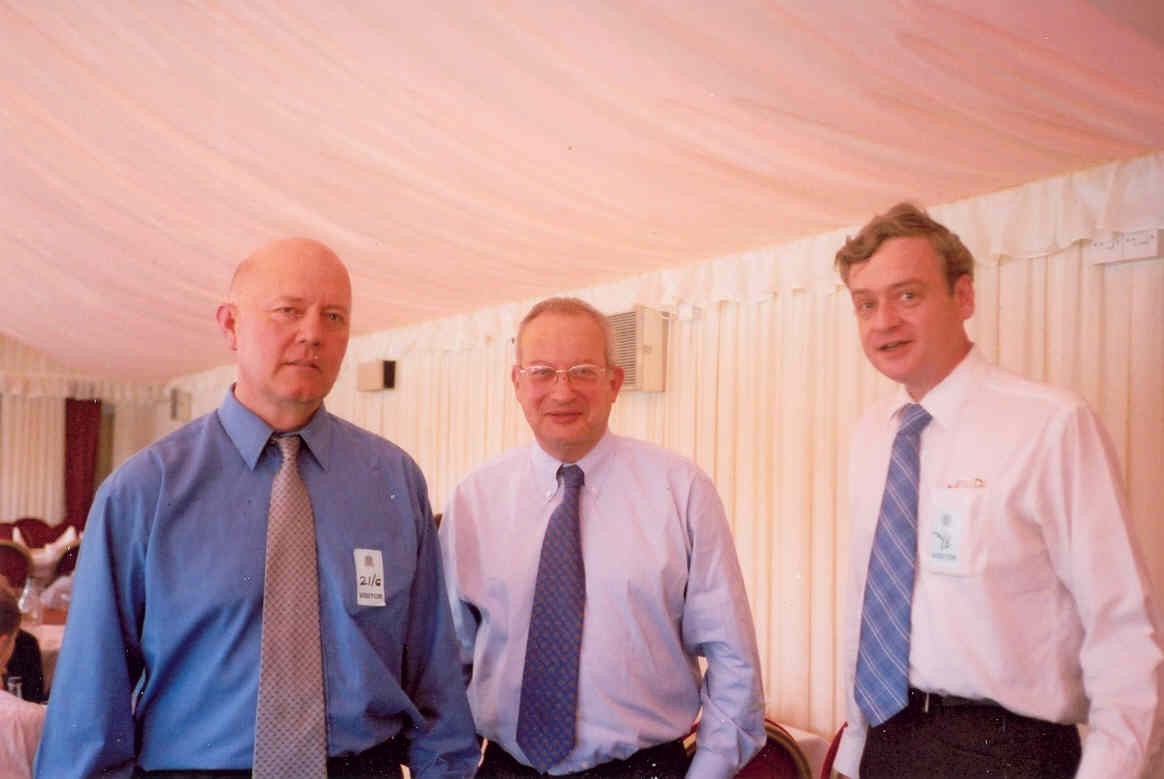
Lord Sainsbury, Colin Hindmarch and Jonathan Cowie
UK Minister for Science - Lord Sainsbury (middle), Colin Hindmarch (left) and Jonathan Cowie (right) of the British Ecological Society's Public and Policy Committee at the 2005 Parliamentary Science Links Day.


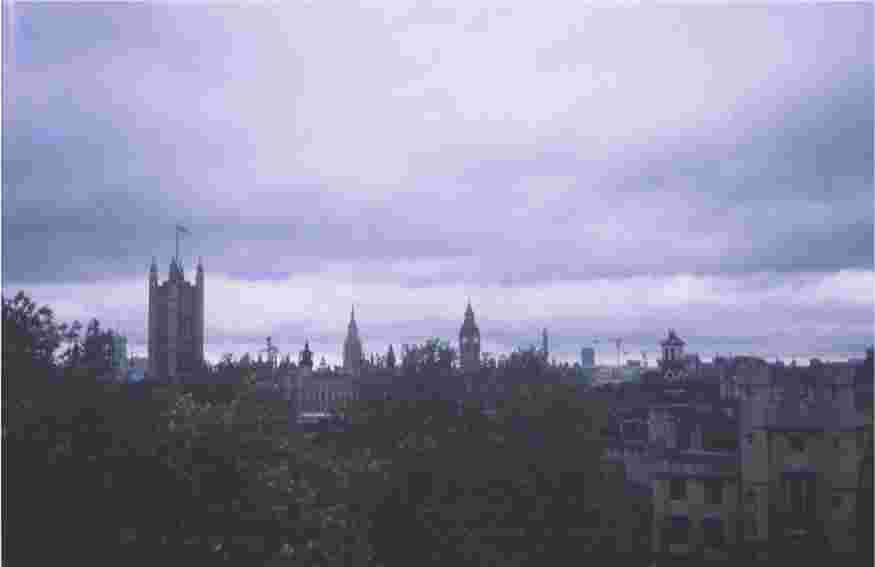
Science to policy... The view of the Houses of Parliament from the hospitality suite of the Royal Pharmaceutical Society of Great Britain.


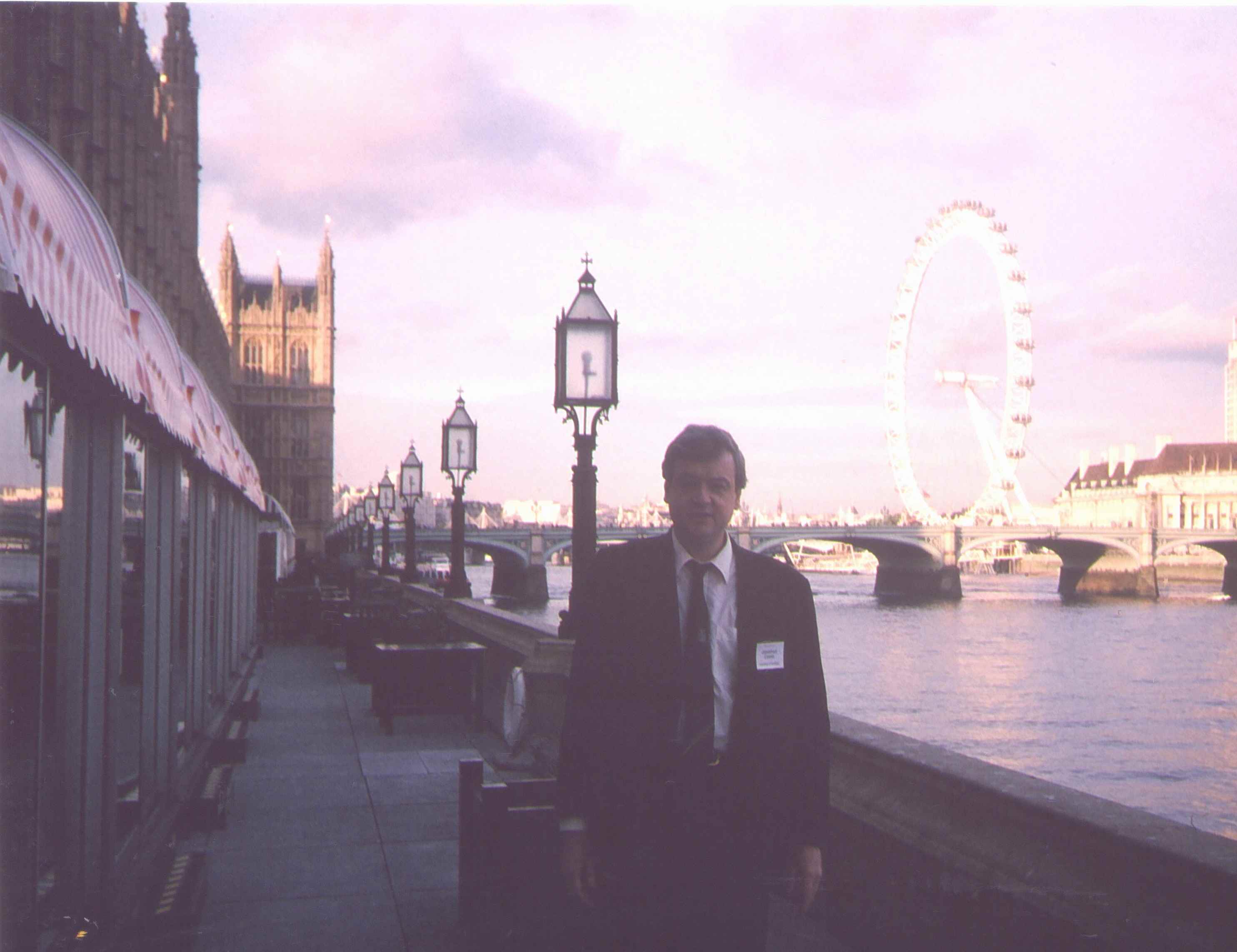
The Terrace of the Houses of Parliament, Palace of Westminster.


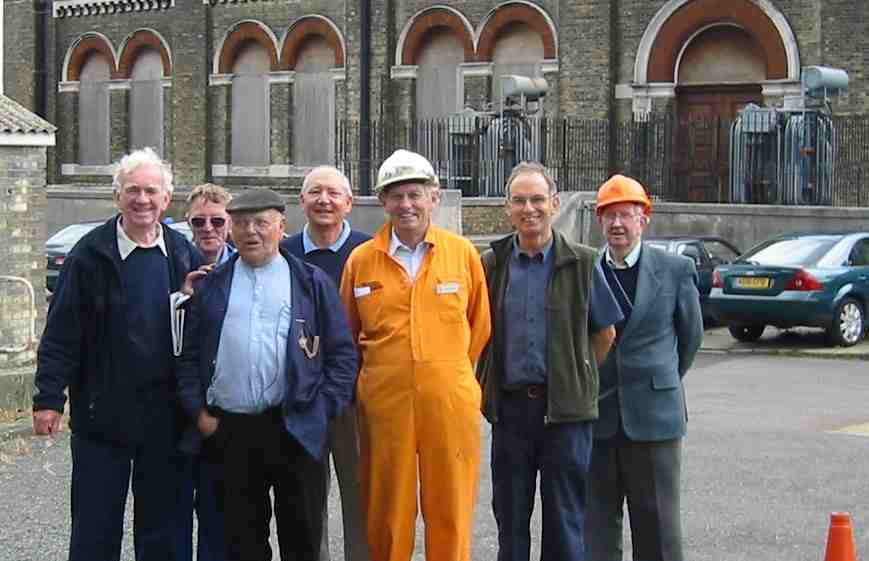
Fred Dibnah at Crossness Pumping House
Fred Dibnah at Crossness. His last visit as part of his BBC TV show. He is with members of the restoration team.


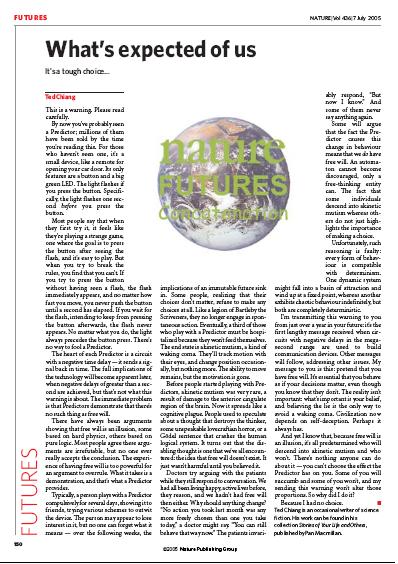
One of the Nature journal short SF stories that Concatenation has permission to post.


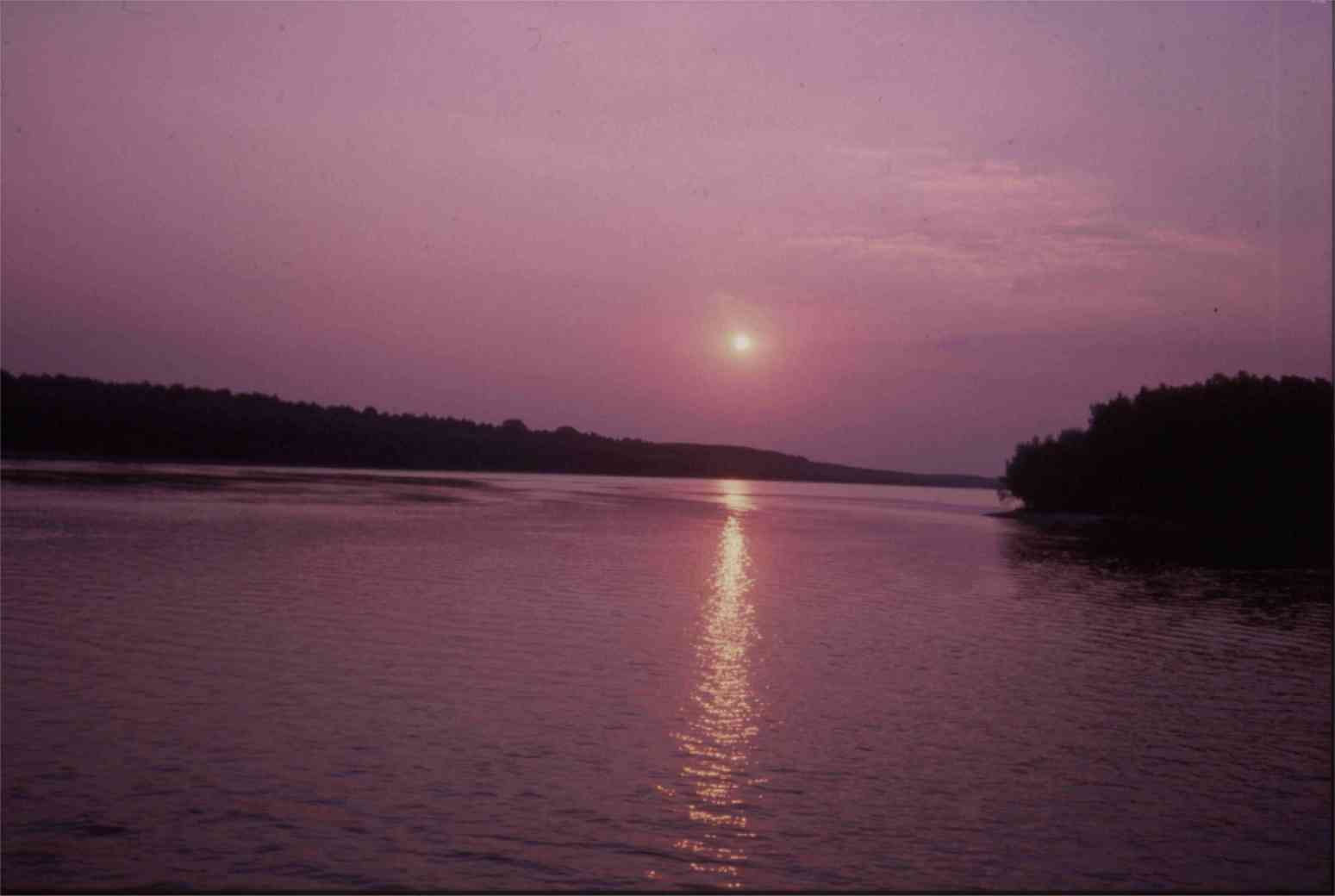
Summer holidays miles from hot water in UNESCO designated Danube biosphere heritage reserve. Hot but picturesque.

Concatenation Science Communication
Past News 2005/6

Autumn 2006 the raw computerised MS of Climate Change: Biological and Human Aspects arrives, this now has to be coded for the index and referred to when queried by the sub-editor, who will work on this up to December.

Autumn 2006 A bit of national news intrudes. The Stern Report is presented to the UK Treasury with considerable national coverage. It concludes that climate change will incur considerable costs but that these can be part offset with adapting expenditure and there will be economic opportunities. This is the exact premise of Climate and Human Change: Disaster or Opportunity. A revision and update is the obvious move after the current book projects have been completed. Work on this update will probably begin summer 2007.

Autumn 2006 The autumn also sees the ending of my 3-year term on the British Ecological Society's Public and Policy Committee and a decision for my leaving, after 10 years, the Royal Society of Chemistry's Parliamentary Affairs Committee: writing takes up much time and learned societies do not commercially contract out Westminster and Whitehall liaison so this seems a timeous move.

Summer 2006 complete and hand in the manuscript for the climate change book which Cambridge University Press now want to call Climate Change: Biological and Human Aspects. The manuscript comes in at well over 200,000 words plus some 70 diagrams for which some copyright clearance is required.

Summer 2006 I don't normally mention some of the smaller projects with which I am involved but The Crossness Trust, for which a press release service is provided, just had a record attendance on one of its open 'steam' days of over 1,000. The press operation for this event was helped by there being a family history theme of the staff that worked at Crossness in WW1. Such themes greatly assist securing coverage in genealogical magazines and websites in addition to the usual local press announcements. (The picture in the left column was taken a couple of year's earlier when Fred Dibnah visited the site Sadly his last TV field visit prior to his death.)

Spring 2006 A publisher, Cambridge University Press, accepts the publication proposal for The Biology and Human Ecology of Climate Change. This now has to be completed. The acceptance of the book by a respectable academic publisher somewhat validates the considerable work invested in this project. However CUP wish to change the title to Climate Change: Biological and Humans Aspects.

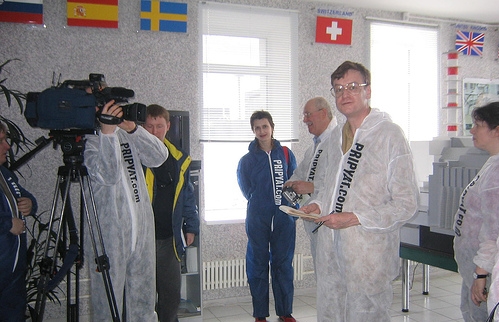
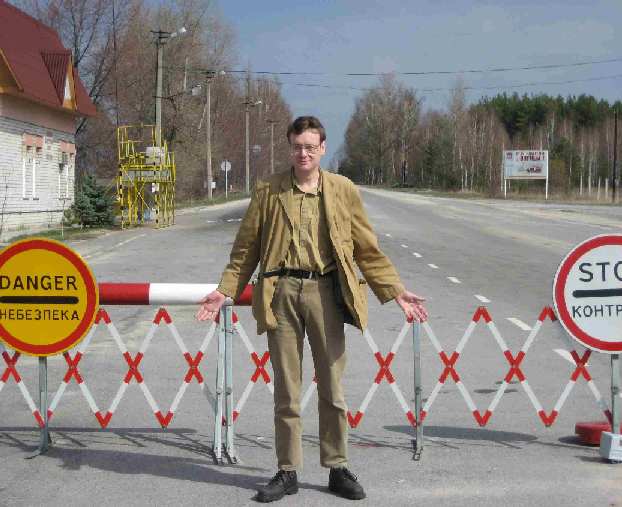
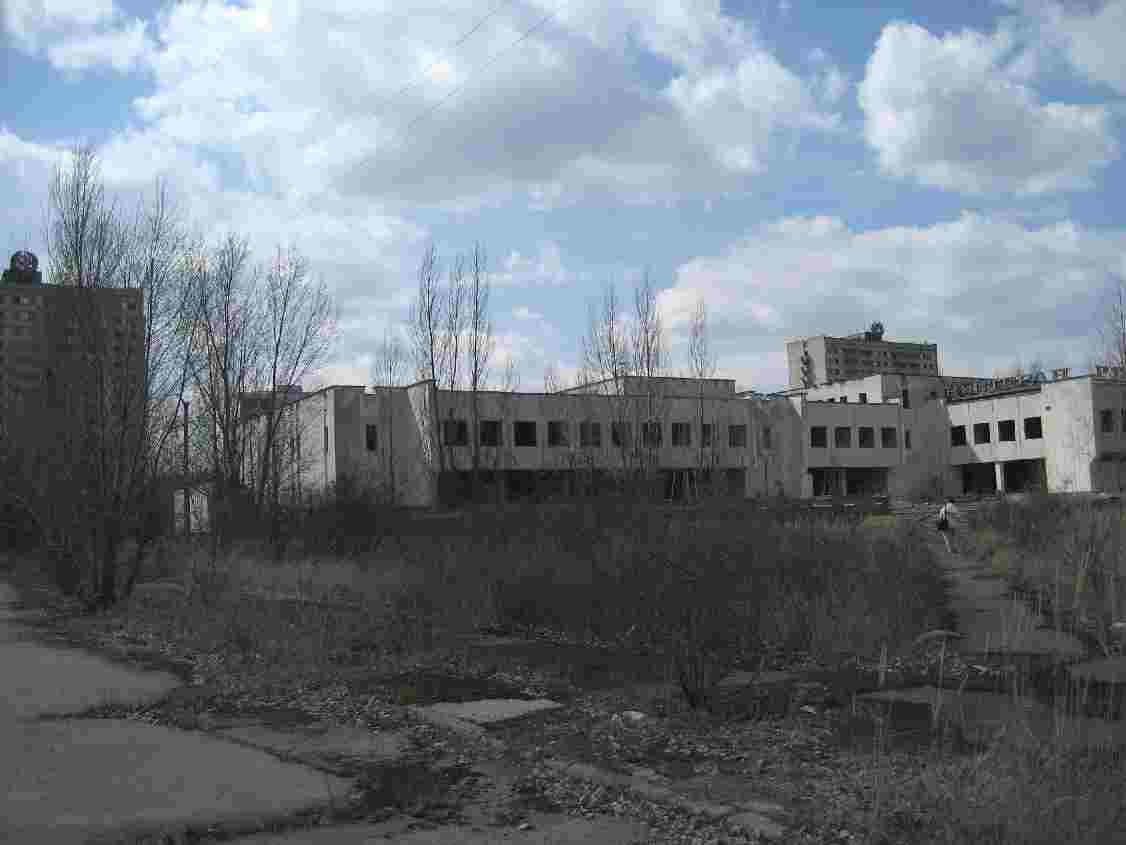
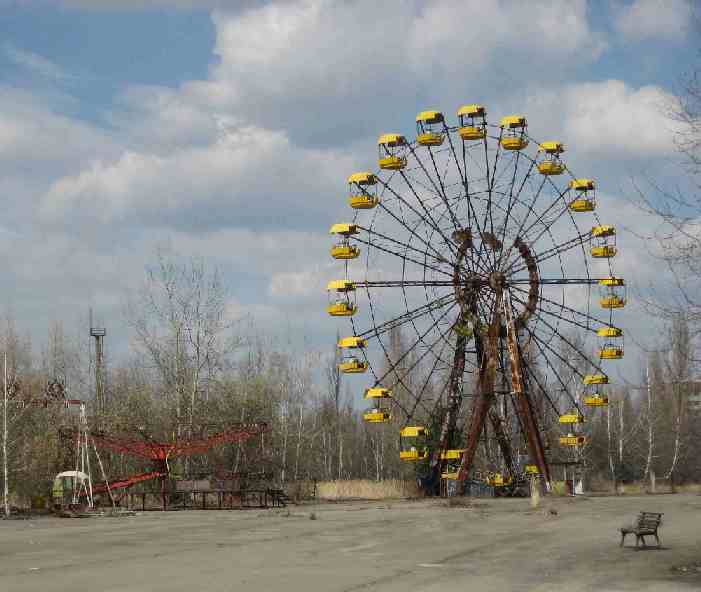
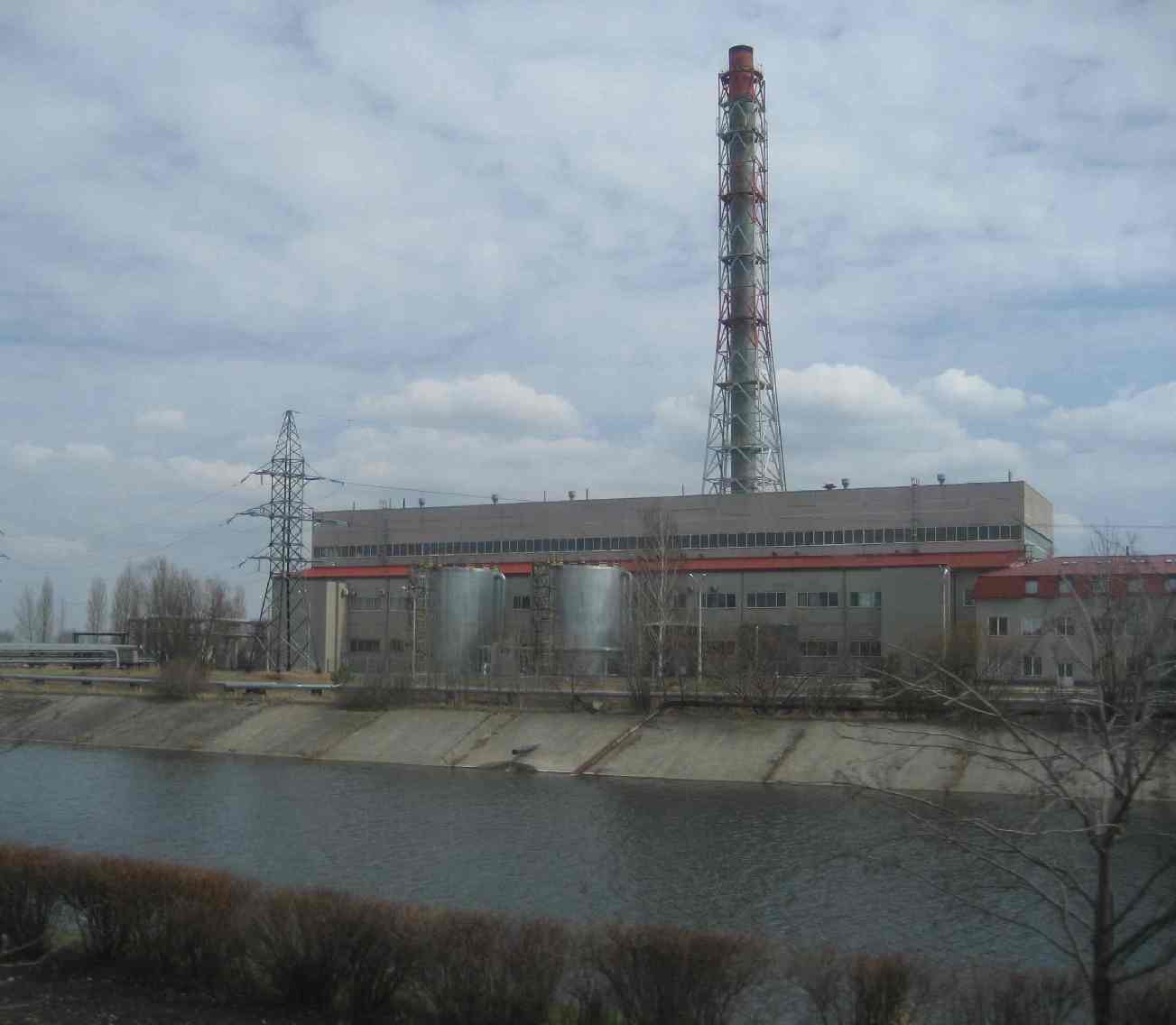
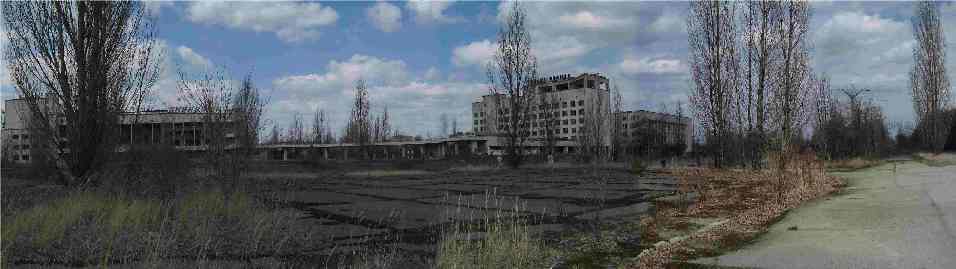
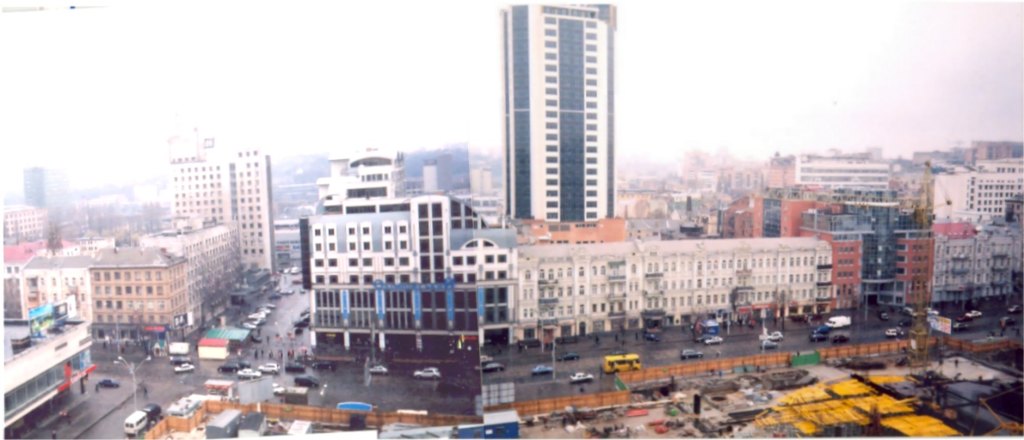
Spring 2006 visit the Ukraine for the 20th anniversary of Chernobyl and to provide programme items for the 'energy and environment' theme to the 2006 Eurocon, which itself is one of three arts-science festivals being run in parallel. After the festival the Chernobyl site and deserted town of Pripyat was visited.

Spring 2006 Secure an arrangement with the leading multidisciplinary science journal Nature to place our selection of its fiction stories on our rough-and-ready sister fact and fiction site run by a small team of scientists and engineers.

Autumn 2005 accept invitation to attend the Geological Society's symposium on energy and Earth systems science, and its symposium dinner. Aside from being a Fellow of the GS, this event relates closely to the two specialist areas of science of which I have some knowledge. It was followed some weeks later by a policy launch at the Royal Society.

Autumn 2005 submit sample chapters of the manuscript for peer review for the university primer and introductory text book The Biology and Human Ecology of Climate Change.

Autumn 2005. Now I don't cover all science communication activities from this end, but a letter in Nature is worth a mention. It concerns a Nature editorial call for learned societies to set up emergency, quick response teams to address journal papers that cause public controversy (see letter). However Nature edited out my letter's additional comment that its own news column itself has occasional errors, including the very week of the editorial itself when the news page reported that hurricane Katrina missed New Orleans! (Enough said.)

Autumn 2005 attend Royal Society two-day discussion meeting on ice cap stability. It is not worth listing on these pages all the scientific meetings attended but this one is central to the contentious medium-to-long-term problem of sea level rise. The outcome of this meeting will inform the two climate change books currently in train.

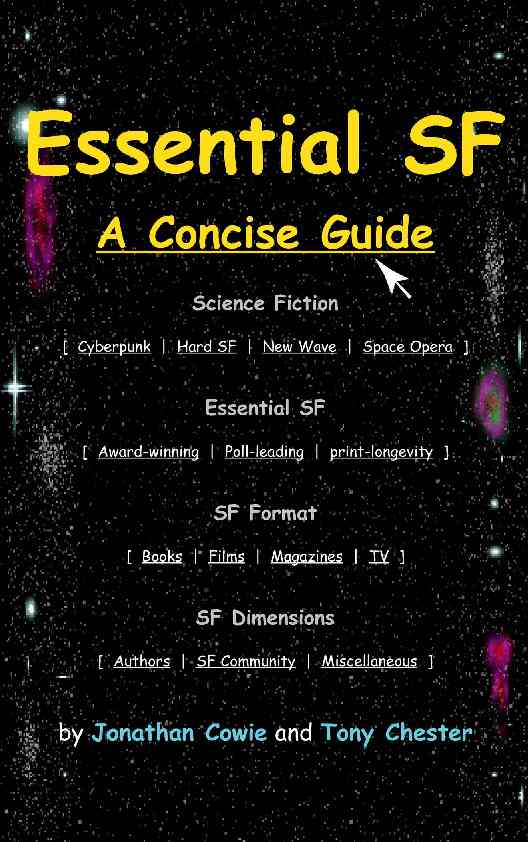
Summer 2005 attend World SF Convention to give talk on climate change and participate in 2 science-sf interface panels plus the first international outing of Essential SF: A Concise Guide.

Summer 2005 attend Parliamentary (Science) Links day at the Palace of Westminster for the British Ecological Society at the invitation of the Royal Society of Chemistry.

Summer 2005 participate in a consultation workshop run by Bexley Council on Bexley regeneration framework plan as part of SE London-Kent (Thames Gateway) development.