|
Concatenation Science Communication
Past News 2007/8
Autumn 2008 odds and ends. The revision and polishing of Hard Rain: Climate Change - What They Are (Not) Telling You is complete! Now it is find a publisher time.
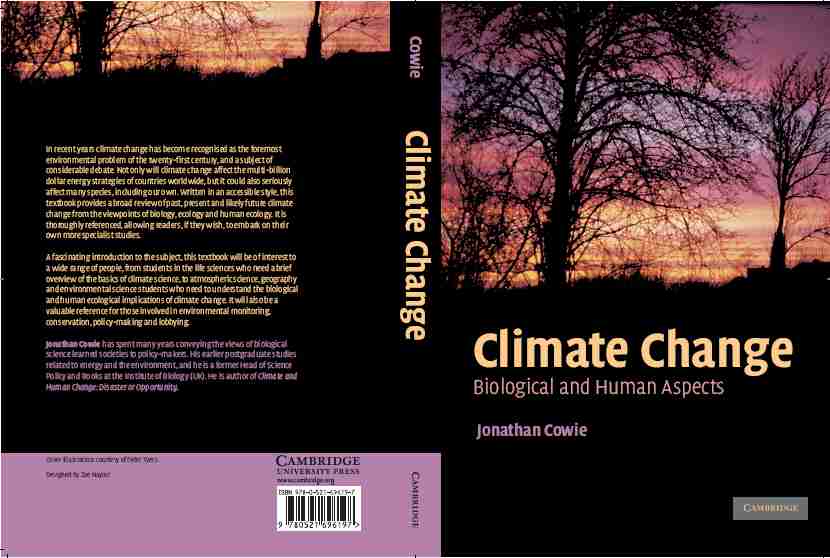
Meanwhile the summer saw a number of reviews of Climate Change: Biological and Human Aspects: they are almost embarrassingly favourable. (In due course links to excerpts of these and some full ones (should copyright permission be granted) will be put on this site and linked to off the bottom of the book's home page.) One of the best bits of news turns out -- I found out long after the event -- to be the book being selected by UNEP (UN Environment Programme's) HQ library as one of the top climate science books published worldwide of the 21st century. Camb' U. Press are pleased. Looks like the previously strong sales might get a further boost?
Finally, one concatenation of minor note was the bringing together of science and genre fiction activities with a letter on science and faith published in the leading multidisciplinary journal Nature (vol 455, p26-7).
Autumn 2008. One regular activity is providing Crossness Engines Trust with a press liaison operation and the beauty of this is that it can be done from anywhere in the country (World) via e-mail. Crossness visits have been strong during the year so something is working. Meanwhile I actually made it down to the autumnal AGM this year where we learned that funding was either in place or assured for much of a 5-year major conservation and development plan. If you are into environmental health (how the big stink was ended), really BIG steam pumps and Victoriana, then it is worth paying Crossness a visit on one of its Steam Days (see the visit page on www.crossness.org.uk).
Summer 2008. The first draft of Hard Rain: Climate Change - What They Are (Not) Telling You is completed (the final bringing-it-all-together chapter was a pain). Much material was left out and still the book is too big! Now its time to go through it all refining and hacking: not the most enjoyable work. Bad news: the computer hard drive literally ground to a halt. Good news: Concat' team member Dan sorted it out plus a new back-up PC. Also 80% of files were fortunately backed up including all recent work. Bad news: 20% of mainly archive material was lost and a quarter of this is virtually irreplaceable. The best part of three weeks work was lost on the science front while everything was sorted out. There's a lesson about back-ups for many of us all here. (Good news: the arts work was unaffected which brings us to...)
Other good news: Concat's genre wing has been doing well with monthly unique visitors (as opposed to pages or hits) entering five figures. This means its 20% per annum growth of the past six years is continuing and so doubling every four years.
The Ofcom ruling on The Great Global Warming Swindle is announced (see summer 2007 odds and ends below). Those of us that complained on the grounds of science were told that "Ofcom is not
a fact-finding tribunal" and that "whilst Ofcom is required
by the 2003 Act to set standards to ensure that news programmes are reported with
'due accuracy' there is no such requirement for other types of programming,
including factual programmes of this type". Which means tough luck people if you expect 'factual' documentary programmes to be er... factual. However it did say "Ofcom nevertheless noted aspects of the presentation (and omission...) of facts in this programme which caused some concern." Ofcom also upheld individual complaints from the Government's Chief Scientific Advisor and the IPCC as to how they were treated. Ofcom took over a year to come to this dithering conclusion and then failed to supply complainants with written copies of the full adjudication: perish the thought that they had the decency to be ashamed or was it more of the same standard of service delivery? You decide.
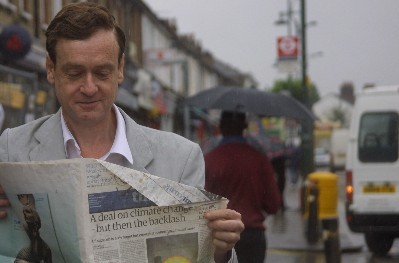
Spring 2008. Much of the current news relates to climate science covered in last year's Climate Change: Biological and Human Aspects. This includes the drive for biofuels undermining food security, specific crop harvest failure (rice globally and peas in the UK and western Europe - the prices of both approximately double over three months!), and poor UK fuel security (gas and electricity prices rise). Bad news for the world but it adds to the book's credibility. Then in March the Centre of Ecology and Hydrology produced a report on the English floods of 2007. The report's conclusion was not clearly written and misleading headlines were presented by the media: "2007 floods 'no link to climate'" (BBC); "Experts deny link between floods and global warming," (Guardian); "Floods in 2007 'not due to global warming'" (Telegraph). The report's lack of clarity was compounded by the CEH press office's mild tweak of message, which in turn was hyped by the media... and so we get science to fiction. It is all brilliant stuff that has to go into the next book. Meanwhile climate talks are given to promote Climate Change: Biological and Human Aspects.
Spring 2008. Well Christmas and New Year was full. Several trips down to London for seasonal shindigs. Had you listened to the UK news at this time you would be forgiven for thinking that the national rail network was fine with just the West Coast line out of commission. Not so, the East Coast line was almost as bad with buses replacing trains at various points: took the edge off the seasonal cheer.
Autumn 2007 saw much of the first draft of Hard Rain: Climate Change - What They Are (Not) Telling You completed plus research beginning on two news topics. Other research includes the on-going monitoring of the scientific literature on climate change for a possible new edition of Climate Change: Biological and Human Aspects: sales are strong and if this continues and if there are good reviews then a second edition is likely, so best to make research an on-going chore rather than losing several months a few years hence.
Visit to Copenhagen (Denmark) to give a couple of talks and attend a European science-arts event that included a governmental reception in Copenhagen's city hall.
Summer 2007 odds and ends
Concatenation Science Communication's complaint to Ofcom (the official UK broadcasting watchdog) regarding the nefarious Channel 4 documentary, The Great Global Warming Swindle, is apparently one of a number similar objections raised by the science community. Among the latter, a major submission by a body of scientists is being sent after mid-summer, and so this matter will not be resolved until the autumn.
Nature Futures The science journal Nature is to resume publishing its back-page science fiction stories in the autumn and Concatenation's genre wing is to continue to be allowed to post the best-of-season exemplars.
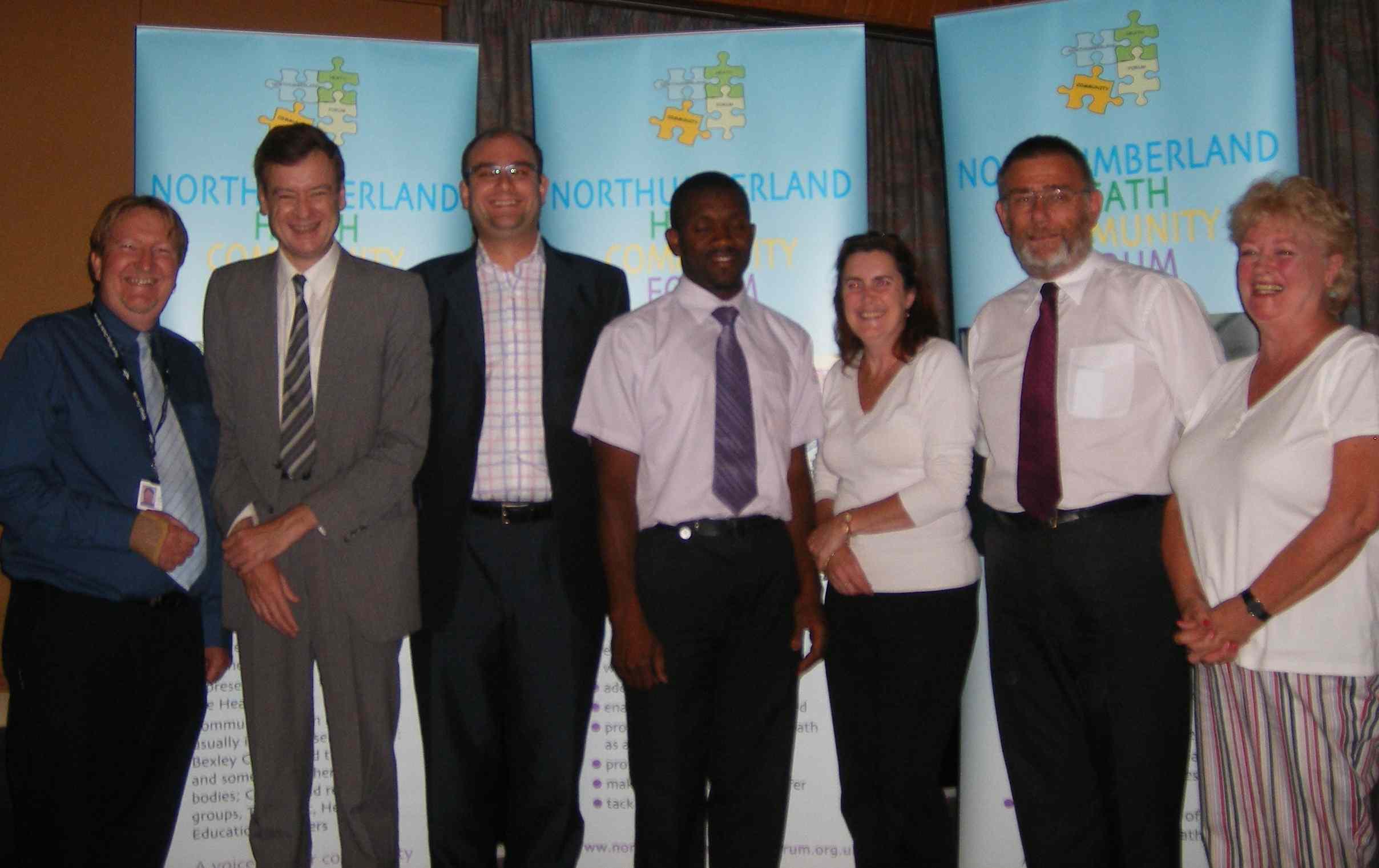
UK Science for Heritage Strategy One of the current bits of regular activity is a basic press liaison operation for the Crossness Engines Trust (who have restored one of the huge Victorian steam sewage pumps used to clean the Thames following the Big Stink. This now connects with Concatenation Science Communications science policy work as the UK is developing a strategy to enable the latest science and technology conserve UK heritage. A forum has been set up in response to a House of Lords report and Concatenation is participating to represent the Trust.
Britain's rain and floods in July Climate Change: Biological and Human Aspects has a section on flooding and much throughout on precipitation and global warming. Given the billions of pounds damage caused by the July floods, with the benefit of hindsight the problems of flooding could have been emphasised, but then that would have attracted the criticism of sensationalisation. The science is sound and the book does appear to be predictive: not just here but also with other issues in the news such as the limited value of biofuels and the pointless use of tree planting as a financial way of carbon offsetting.
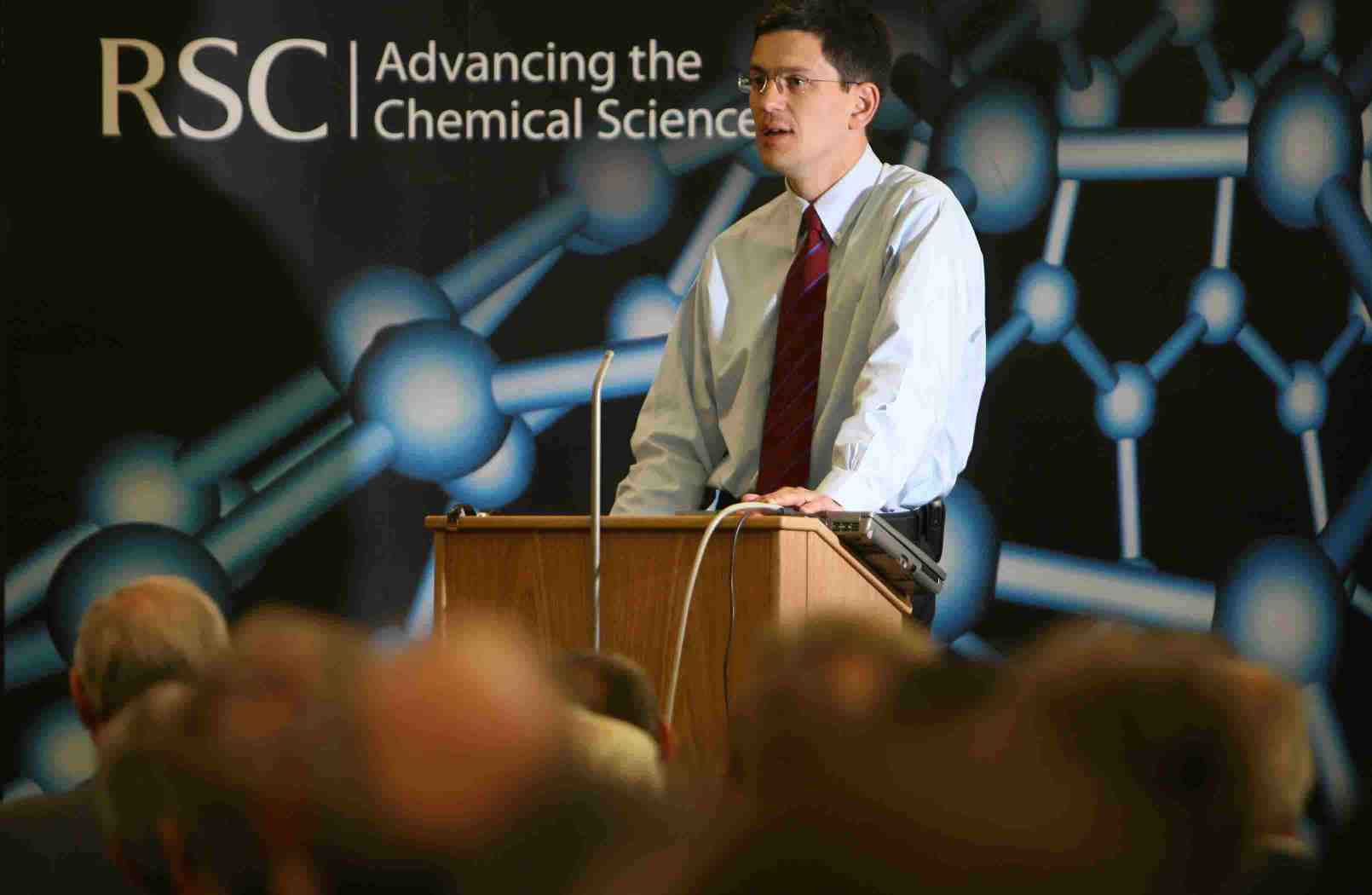
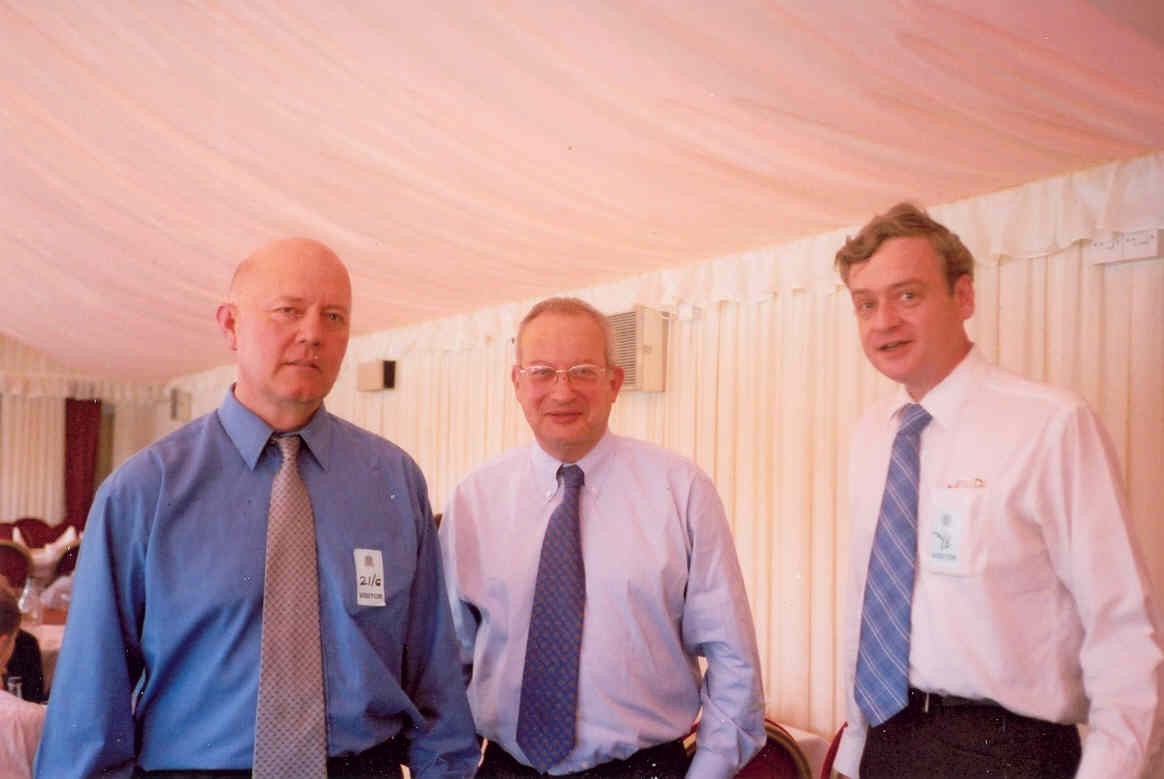
Parliamentary (Science) Links Day The 2007 Parliamentary (Science) Links Day was ably organised as ever by the Royal Society of Chemistry.
This year's theme of Earth, wind, fire and water neatly leads into 2008 being the UN themed year of planet Earth. It was also the day before PM Tony Blair left office and so one of the last speeches David Milliband gave as Secretary of State for the Environment. (The various participating scientific bodies had fliers in the participants' packages. Here is the Institute of Biology's flier.)
Summer 2007 (June) In addition to drafting the first half of the next book (Hard Rain below), a series of climate change talks (loosely to promote the CUP book) begins with one with former employers at the Institute of Biology. Other venues in the series are mainly universities but also include the occasional public meeting (more for the public understanding of science than book promotion as the book is written at university primer level). +++ A number of different articles have also been written for in-house magazines/journals of a number of professional science bodies. First up is one (on possible future super-warming analogous to an Eocene event) appearing in Geoscientist in the late summer (reproduced here with the kind permission of The Geological Society (UK)).
Summer 2007 (May)The advance copy of Climate Change: Biological and Human Aspects arrives. Looks good. nearly 500 pages but one type found in a table. This last is one of the things I hate about getting a new publication. One of the things I like is that I am already using it for reference. Now it is a six month wait while journal editors get their review copies (July/August) from CUP, then get the book reviewed and print these up (November onwards).
The feasibility of an update of Climate Change: Disaster or Opportunity? (1998) takes place. As its take home message was the one used by the UK Treasury's Stern Report (November 2006) it is quite topical. However there are competing ideas.
Easter 2007 marks the 20th anniversary of The Science Fact & Fiction Concatenation. This is a bit of fun conducted by our group of mainly scientists and technicians who have an interest in SF. A small, low-key, publicity campaign is conducted the first output of which is some promotion on the BBC's national Radio 4 programme 'Open Book'. The multi-disciplinary science journal Nature extends its memorandum of understanding so as to allow The SF & F Concatenation to reproduce for free on-line access a seasonal selection of its earlier 2000 run of 'Futures' stories.
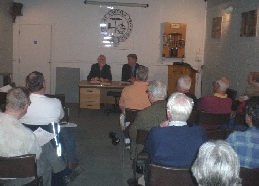
Spring 2007 Attend a meeting of the London Assembly's Environment Committee (on behalf of an urban tree regeneration project). Normally this would be too much diary detail to cite, but surprisingly this is a first for Concatenation Science. I have not, for over a decade, been a stranger to the corridors of Westminster and Whitehall. However the London Assembly is completely new ground.
Spring 2007 Page proofs for Climate Change: Biological and Human Aspects arrive and worked on: at 500 pages it is big. Cambridge University Press allow the inclusion an extra one-page appendix to cover briefly the IPCC 2007 report. The book appears on CUP's UK on-line catalogue. Meanwhile work on a popular climate change book continues. Working title Hard Rain: What They're (Not) Telling You About Global Warming courtesy of Concatenation co-editor, physicist Graham Connor.
Winter 2007 Participate in the IPCC two-day discussion meeting at the Royal Society on the forthcoming main report of its first working group. The summary of the IPCC report was published the previous month while the main reports will be published co-incidentally around the same time as Climate Change: Biological and Human Aspects and, again coincidentally, by Cambridge University Press. In one sense this meeting was make-or-break for the forthcoming Climate Change: Biological and Human Aspects as it needs to capture both the science the IPCC used in its report and the flavour of the scientific discussion the IPCC authors have privately. As it transpired it seems that Climate Change: Biological and Human Aspects is nearly bang on in terms of the tenor and the climate ground covered by the forthcoming IPCC report as well as much of the behind the scenes discussion.
[Past news 2005/6]
[Current news ]
|